
Our story
Founded in 1991 with a simple conviction
Friedrich Douwes M.D. established Klinik St. Georg in Bad Aibling, Bavaria, with a belief that conventional oncology was failing patients by ignoring the whole person. That founding philosophy — treat the patient, not just the disease — became the foundation for everything that followed.
When Lyme patients began arriving in the mid-1990s, many had been dismissed by mainstream medicine. Dr. Douwes recognized what he had seen in oncology: patients whose suffering was real but whose conditions fell outside standard diagnostic categories. He applied the same integrative framework to Lyme disease, and the results gave patients a reason to hope.
Today, Klinik St. Georg is a 70-bed, fully licensed inpatient hospital with a dedicated Lyme disease program. We have treated over 12,000 Lyme patients from more than 90 countries. You can learn more about our hospital history and how this journey began.
Your medical team
The doctors who will care for you
Every member of our Lyme disease team brings deep clinical experience and a shared commitment to listening before treating. You can view full team biographies on the St. George Hospital website.
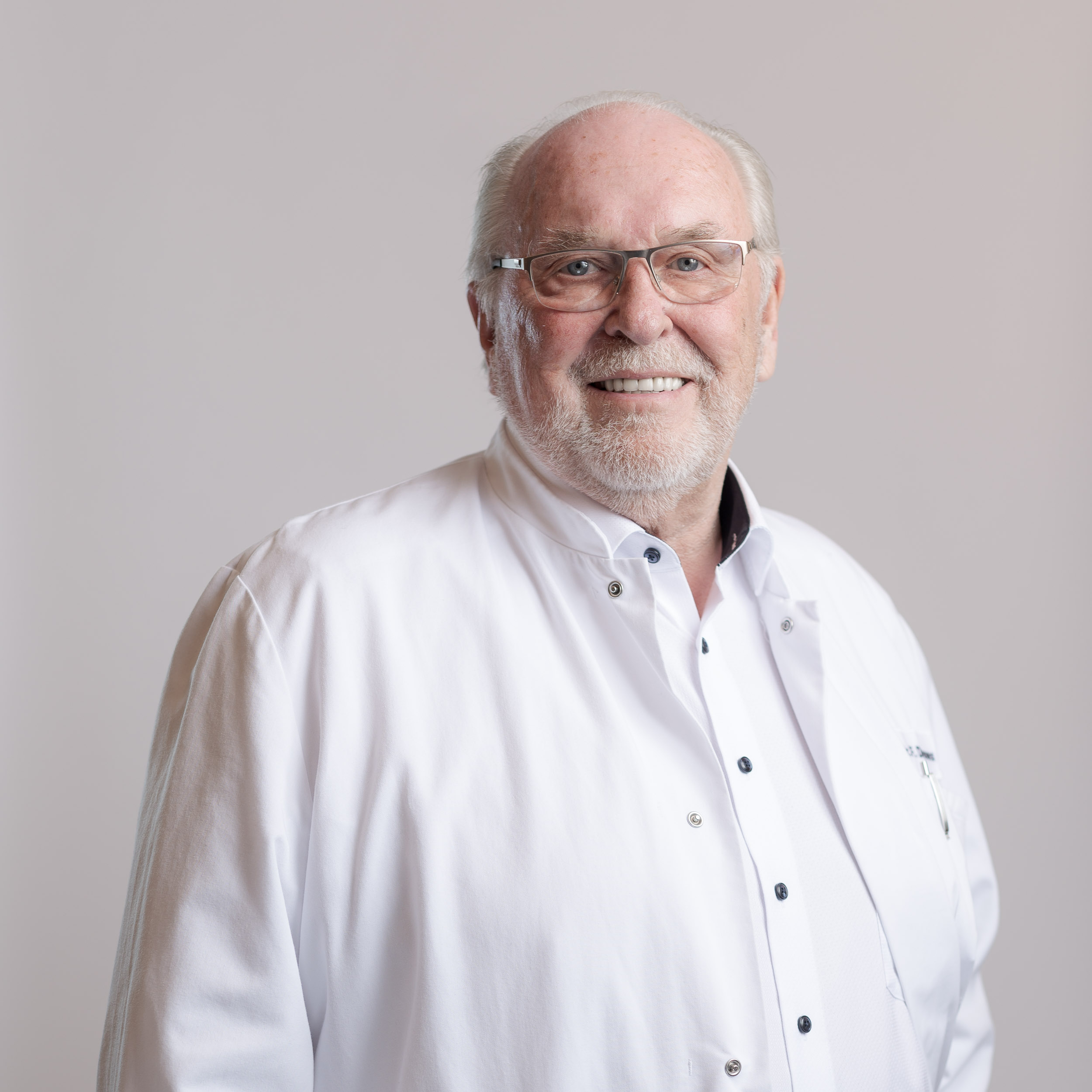
Third-generation physician and son of founder Friedrich Douwes M.D. Julian leads the hospital's clinical programs and has personally overseen the Lyme treatment program since 2018. He treats every new patient inquiry as a conversation, not a transaction — because he knows what it takes to reach out after years of being dismissed.
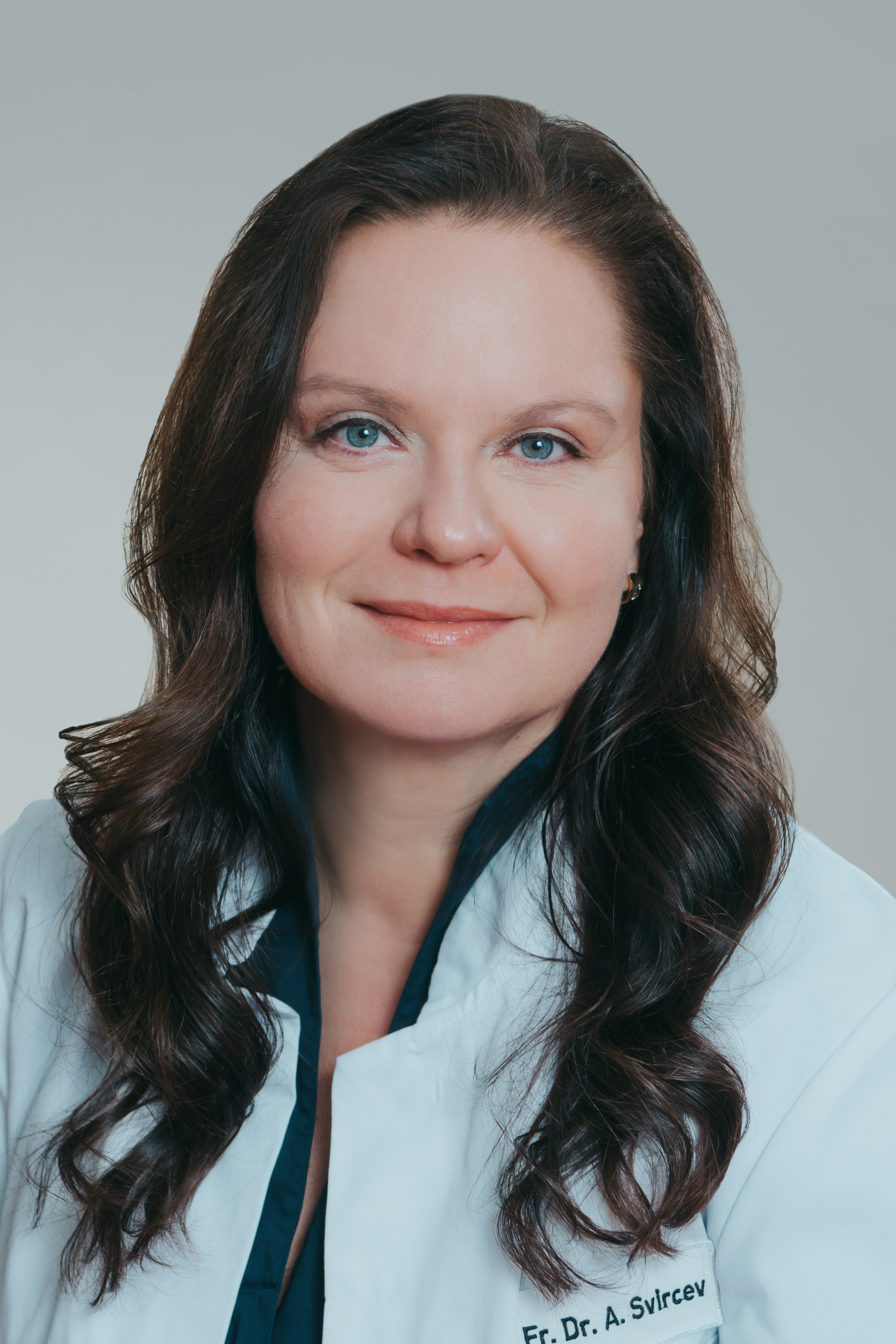
Dr. Svircev specializes in chronic Lyme disease and complex co-infection management. Her clinical focus is on patients who have not responded to conventional antibiotic therapy — the cases that require deeper investigation and a broader therapeutic toolkit. Patients describe her as thorough, patient, and genuinely invested.
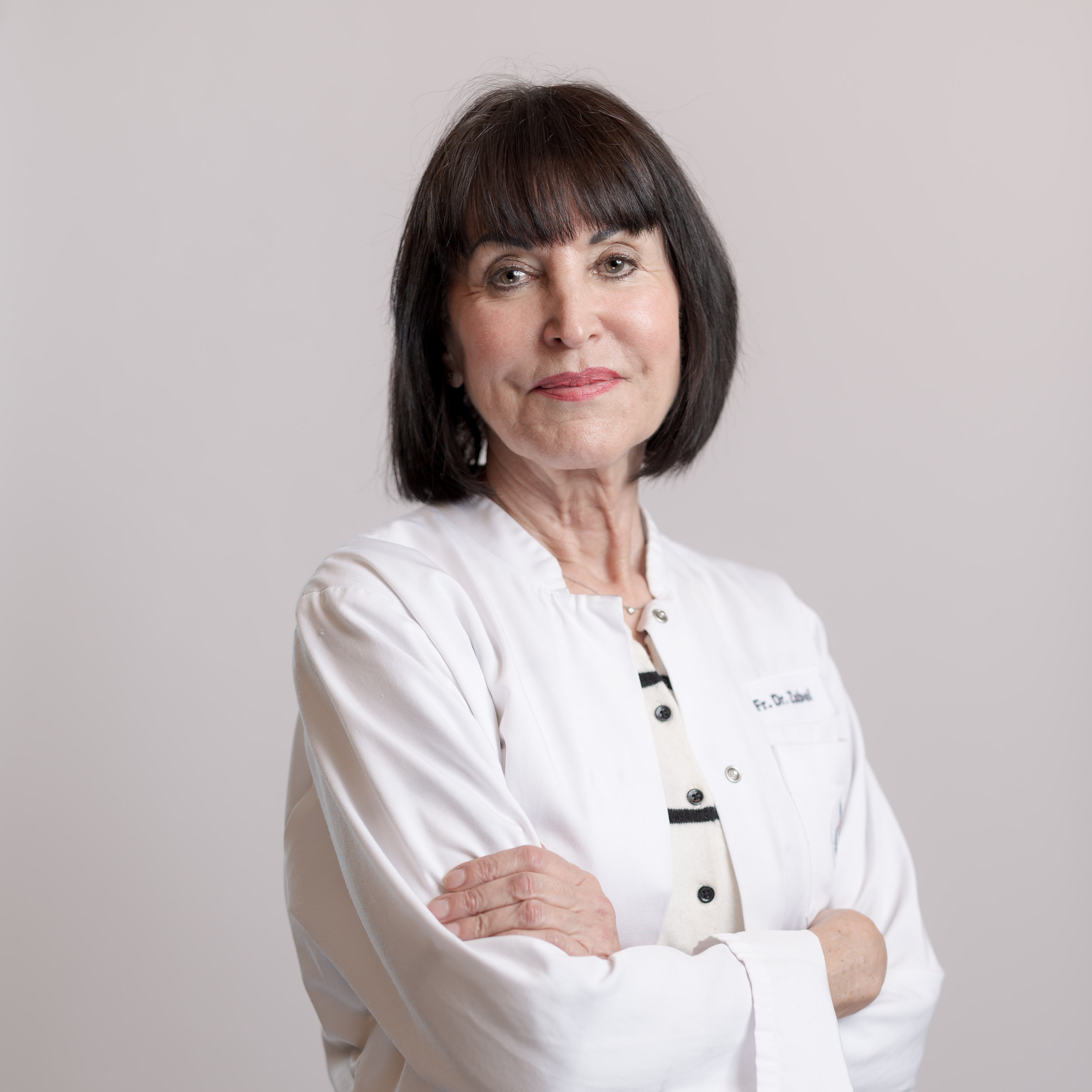
With more than 15 years of experience in integrative Lyme protocols, Dr. Zabel brings a calm, methodical approach to complex cases. She coordinates inpatient treatment programs and ensures that each patient's plan reflects their individual biology, history, and goals.
Our philosophy
Why we treat Lyme disease differently
Most Lyme disease treatment follows a narrow path: diagnose with a standard test, prescribe a standard course of antibiotics, and consider the case closed. For many patients, this works. But for a significant number, it does not.
We see these patients every week. They arrive with test results that have been called normal, symptoms that have been attributed to stress or depression, and a medical history filled with dead ends. They are not malingering. They are not anxious. They are sick, and they deserve a more thorough approach.
Our treatment philosophy rests on three principles:
1. Listen before you test
The patient's history is the most important diagnostic tool we have. Before we order a single laboratory panel, we listen. We ask about the timeline, the progression, the treatments that have and have not helped. This is not a formality. It shapes every decision that follows.
2. Treat the whole system
Lyme disease does not exist in isolation. It disrupts the immune system, the nervous system, sleep architecture, and energy metabolism. A single intervention — even a powerful one like hyperthermia — works best when it is part of a coordinated, multi-modal program that addresses the whole patient.
3. Be honest about what we know and what we do not
We have treated thousands of Lyme patients. Many have improved significantly. Some have achieved complete symptom resolution. And some have not responded as we hoped. We will never overstate our results or make promises that the evidence does not support. What we will do is give you our honest assessment, a clear plan, and our full attention.
What guides us
Values that shape your care
Transparency
No hidden agendas
We disclose our relationship to St. George Hospital openly. We publish honest outcome information. We tell you what treatment costs before you commit. Trust is not a marketing strategy — it is a prerequisite for care.
Evidence
Clinical rigor
Every protocol we use is grounded in published medical literature and three decades of clinical experience. We continuously refine our approach based on outcomes, peer review, and emerging research. We are clinicians, not ideologues.
Empathy
We believe you
If you tell us you are sick, we believe you. If your tests are normal but your symptoms are real, we do not dismiss you. Every patient who walks through our doors has been through enough. Our job is to help, not to judge.
Our facility
A hospital built for healing
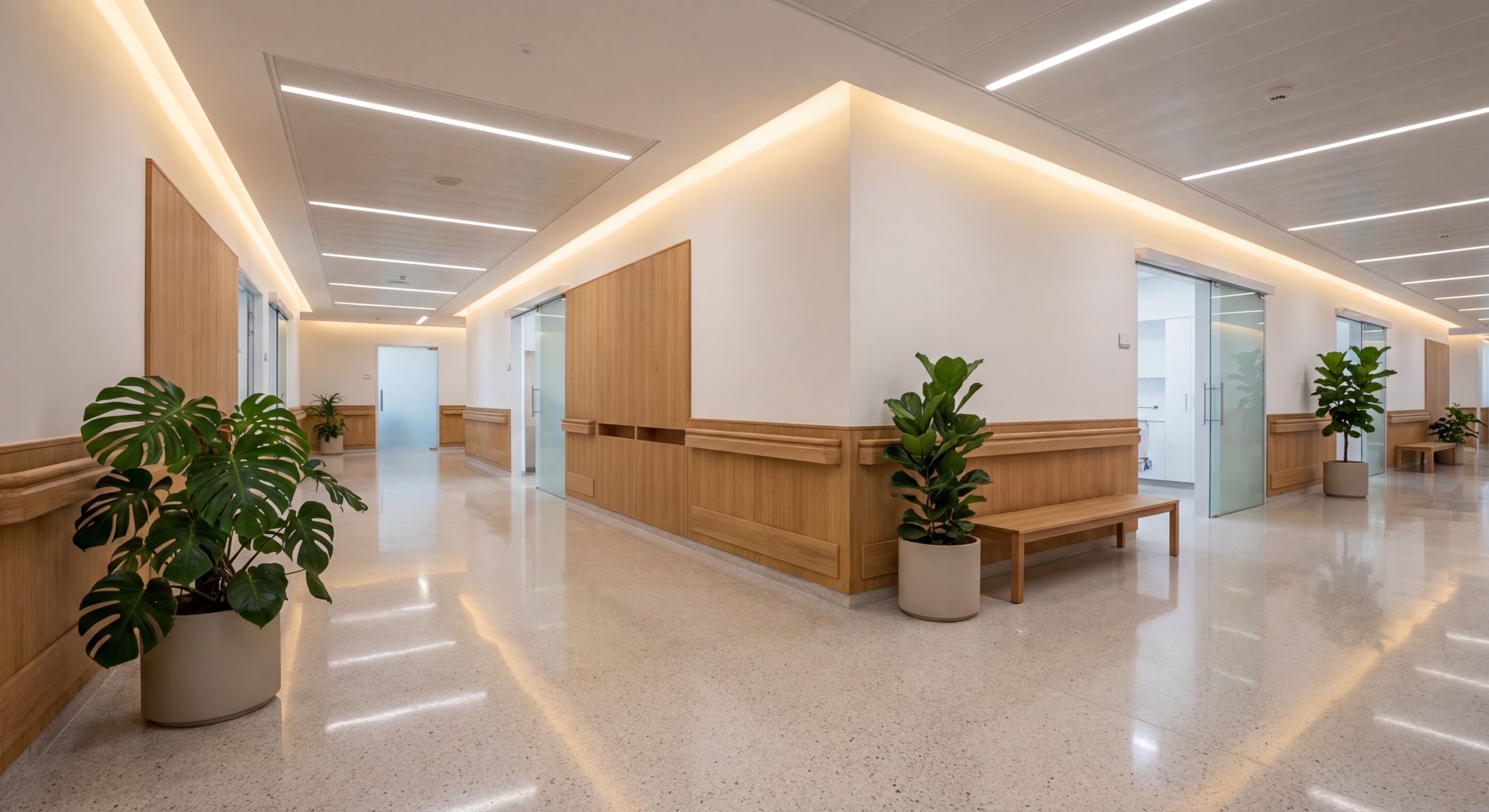
Klinik St. Georg is a fully licensed 70-bed inpatient hospital in Bad Aibling, a spa town in the Bavarian Alps. The facility includes dedicated hyperthermia treatment rooms with Heckel HT3000 devices, an infusion center, diagnostic laboratories, and private patient rooms designed for comfort during your 2–3 week stay.
Bad Aibling itself is part of the healing experience — clean air, mountain views, and the quiet that comes from being somewhere designed for recovery. Many patients describe their time here as the first real rest they have had in years.
You can explore the full facility details on the St. George Hospital website.
Relationship disclosure
Lyme Treatment Germany is an educational resource created in partnership with Klinik St. Georg (St. George Hospital) in Bad Aibling, Germany. All clinical content is written and reviewed by our physicians. When we recommend St. George Hospital for treatment, we do so because it is our hospital — and we disclose this openly because we believe trust begins with transparency. Read our full editorial policy.
We would like to hear
your story.
No commitment. No pressure. Just tell us what you have been through and we will tell you honestly whether we can help.
Whatever you decide, we are here.